

Recent Posts

Post Announcement
Post Announcement In a significant move that fortifies our position as a market leader in the custom transfer industry, we at customrubontransfers.com, proudly operated by the renowned drytransferletters.com, are [...]
Rub On Stickers Decal Transfers – What are the differences . . .
The Custom rub on transfer Difference A Rub on Transfer is not a Vinyl Sticker decal. Our Rub on transfers is capable of tiny text and detail a Vinyl Cut [...]

How To Apply Dry Transfer Decals
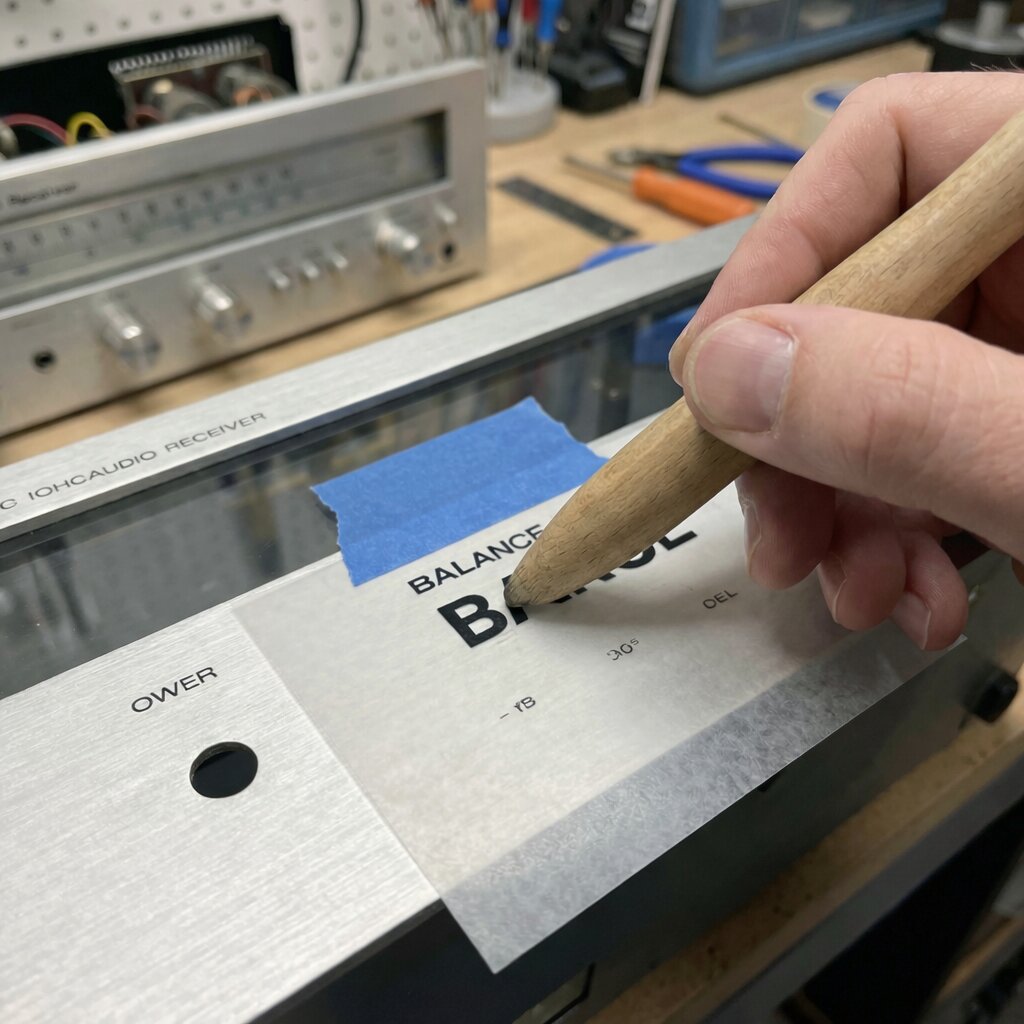
How To Apply Dry Transfer Decals STEP 1: Dry transfer decals are a popular choice among scale modelers and hobbyists due to their ease of use and versatility [...]

Museum Placards
Museum Placards, Labels & More: Rub-on Transfer Lettering for Walls and Art Galleries What are Museum Placards Museum placards are essential tools in any art gallery or [...]
More Blog Stories


Tools and Tutorials


